
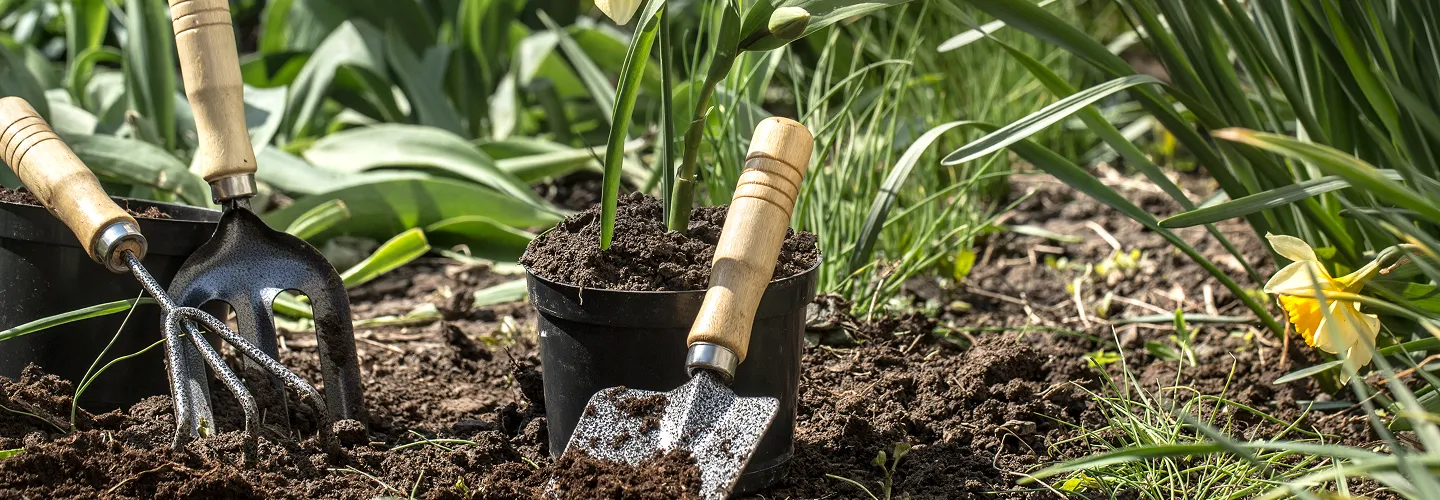
Canton Flower Bed Maintenance Services
Choose our Flower Bed Maintenance for expert care, vibrant blooms, and a weed-free garden—so you can enjoy a beautiful, healthy landscape without the hassle.
Get a Free QuoteOur Canton Landscaping & Yard Care Services
When to Schedule Flower Bed Maintenance in Canton, Georgia – Seasonal Guide
In Canton, Georgia, the timing of flower bed maintenance is closely tied to our unique climate and landscape. With warm, humid summers and mild winters, the optimal periods for maintenance are typically early spring and late fall. Early spring, just after the last frost date, is ideal for cleaning beds, refreshing mulch, and preparing soil for new plantings. Late fall, after the growing season winds down, is perfect for pruning, removing spent annuals, and protecting perennials from winter chill.
Local factors such as the clay-heavy soils in neighborhoods like Bridgemill, the shade coverage from mature oaks in Great Sky, and the risk of late spring frosts near Hickory Log Creek all play a role in determining the best maintenance schedule. Homeowners should also consider drought risk during the hot months and increased humidity, which can encourage fungal growth. For more information on local environmental guidelines, visit the official Canton resources.
Local Factors to Consider for Flower Bed Maintenance in Canton
- Tree density and shade coverage (e.g., mature trees in Great Sky)
- Soil type and drainage (clay soils common in Bridgemill)
- Seasonal precipitation and drought risk
- Frost dates and temperature swings
- Terrain and slope (affecting runoff and erosion)
- Municipal restrictions or neighborhood association guidelines
Benefits of Flower Bed Maintenance in Canton
Enhanced Curb Appeal
Weed and Pest Prevention
Healthier Plant Growth
Seasonal Color Management
Professional Expertise
Time and Effort Savings
Canton Flower Bed Maintenance Types

Seasonal Flower Planting
-
Weed Control Services
-
Mulching and Soil Conditioning
-
Pruning and Deadheading
-
Fertilization Programs
-
Pest and Disease Management
-
Edging and Bed Redefining
Our Flower Bed Maintenance Process
Site Evaluation
Weed Removal
Soil Preparation
Plant Care
Mulching
Why Choose Canton Landscape Services
-
Canton Homeowners Trust Us
-
Expert Lawn Maintenance
-
Reliable Seasonal Cleanup
-
Competitive Pricing
-
Professional Team
-
Satisfaction Guarantee
-
Personalized Service
Canton's Piedmont Red Clay Soils and Flower Bed Preparation Standards
Canton, Georgia sits within the Piedmont physiographic region and falls under USDA Hardiness Zone 7b, where predominant soils include the Cecil and Appling series — dense, red clay-based Ultisols with naturally acidic pH levels typically ranging from 5.0 to 6.0. These soils compact readily under foot traffic and equipment pressure, limiting root penetration and water infiltration in flower beds. Property owners should address compaction before planting by incorporating 3–4 inches of aged compost or pine bark fines tilled to a depth of 8–10 inches. Soil pH should be tested annually; most flowering ornamentals perform best between 6.0 and 6.5. The USDA Web Soil Survey provides parcel-level soil data for Canton properties. UGA Cooperative Extension offers soil testing through Cherokee County and publishes bed preparation guidelines specific to Piedmont clay conditions. Key preparation steps include:
- Till to 8–10 inches minimum depth
- Amend with compost at a 3:1 soil-to-amendment ratio
- Test and adjust pH before planting
- Avoid working clay soils when saturated to prevent structural damage
Seasonal Planting and Bed Maintenance Timing for Canton's Growing Conditions
Canton's climate supports a long warm-season growing window, with the last average frost typically occurring in mid-March and the first fall frost arriving in mid-November, providing approximately 240 frost-free days. Summer temperatures regularly exceed 90°F from June through August, placing heat stress on shallow-rooted annuals and newly established perennials. Bed maintenance timing should follow these seasonal benchmarks:
- Late February–March: Apply pre-emergent herbicides to beds before soil temperatures reach 55°F; edge and define bed borders
- April–May: Install warm-season annuals such as vinca, lantana, and pentas after frost risk passes
- June–August: Increase mulch depth to 3 inches to retain moisture and moderate soil temperature; deadhead spent blooms weekly
- September–October: Transition to cool-season annuals including pansies and snapdragons; divide overcrowded perennials
- November–February: Cut back dormant perennials; apply fresh mulch layer before freeze events
The National Weather Service Peachtree City forecast office provides freeze advisories relevant to Canton's Cherokee County location.
Protecting Canton Stormwater Infrastructure During Flower Bed Maintenance
Flower bed maintenance activities — including fertilizer application, pesticide use, and mulch installation — carry runoff risk to Canton's stormwater drainage network and local waterways such as Etowah River tributaries and drainage corridors throughout the city. The Canton Stormwater Management program oversees water quality protection and drainage infrastructure compliance within city limits. Property owners and maintenance professionals must observe the following practices to remain compliant with local stormwater standards and the Clean Water Act:
- Apply granular fertilizers at least 10 feet from storm drains, curbs, and drainage swales
- Sweep or blow fertilizer granules off impervious surfaces immediately after application
- Do not apply pesticides or herbicides within 25 feet of open drainage channels without appropriate buffer measures
- Contain mulch during installation to prevent displacement into storm inlets
- Avoid bed irrigation that generates sheet flow toward street gutters
The Georgia EPD Watershed Protection Branch establishes water quality standards applicable to Cherokee County's watershed areas.
Canton Public Works Department
151 Elizabeth Street, Canton, GA 30114
Phone: (770) 704-1500
Official Website: Canton Public Works Department
Canton Code Compliance Standards for Flower Bed and Property Maintenance
Canton's Code Compliance Department enforces property maintenance standards that directly affect the condition of flower beds, planting borders, and landscaped areas on residential and commercial properties. Overgrown beds, invasive plant encroachment, and unmaintained frontage areas may constitute code violations subject to notice and corrective action. Property owners should be aware of the following compliance considerations:
- Beds adjacent to public rights-of-way must be maintained to prevent encroachment onto sidewalks or street visibility corridors
- Invasive species such as English ivy (Hedera helix), Chinese privet (Ligustrum sinense), and kudzu are flagged by UGA Extension - Invasive Species as problematic in North Georgia landscapes and may trigger code review if spreading beyond property boundaries
- Accumulated dead plant material and debris in beds must be removed in a timely manner
- Mulch depth should not exceed 4 inches to avoid creating conditions that harbor pests or impede drainage
Canton Code Compliance
151 Elizabeth Street, Canton, GA 30114
Phone: (770) 704-1500
Official Website: Canton Code Compliance
Selecting Heat- and Shade-Tolerant Plants for Canton's Wooded and Open Bed Conditions
Canton's residential landscape ranges from open, sun-exposed lots in newer subdivisions to heavily shaded beds beneath mature hardwood canopies in established neighborhoods. Plant selection must account for both sun exposure and the region's high summer humidity, which promotes fungal disease in poorly ventilated beds. Recommended plant categories by site condition include:
Full Sun Beds (6+ hours direct sun):
- Lantana (Lantana camara) — heat and drought tolerant
- Coneflower (Echinacea purpurea) — native, pollinator-friendly
- Black-eyed Susan (Rudbeckia hirta) — adapted to Piedmont clay
Partial to Full Shade Beds (under tree canopy):
- Lenten rose (Helleborus spp.) — evergreen, low maintenance
- Coral bells (Heuchera spp.) — tolerates acidic clay soils
- Autumn fern (Dryopteris erythrosora) — performs well in humid conditions
The USDA Plant Hardiness Zone Map confirms Zone 7b for Canton, supporting a broad palette of both native and adapted ornamentals. Avoid plants rated for Zone 8 or warmer, as winter temperatures in Canton can drop to 5–10°F during cold events.
What Neighborhoods Do We Serve Throughout Canton, GA?
- Bridgemill: A large master-planned community with HOA-maintained common areas and individual lots featuring a mix of sun-exposed and partially shaded beds; red clay subsoil is common beneath amended topsoil in newer construction areas.
- Harmony on the Lakes: Lakeside and pond-adjacent lots where stormwater runoff from flower beds requires careful fertilizer and mulch management to protect water quality in community water features.
- Riverstone: A newer subdivision with compacted fill soils typical of graded developments; bed preparation requires deep amendment to overcome subsoil compaction before planting.
- Historic Downtown Canton: Older residential lots with more established soil profiles and mature tree canopy creating dense shade conditions that favor shade-tolerant perennial selections.
- Great Sky: A hillside community with sloped lots where erosion control through dense ground cover planting and proper mulching is essential for bed stability during heavy rainfall events.
- Prominence: Newer construction with open, south-facing exposures well-suited to heat-tolerant annuals and native perennials; irrigation planning is important during Canton's dry summer periods.
- Hickory Flat corridor (Canton city limits area): Transitional lots with mixed wooded edges and open lawn areas requiring bed designs that account for both deer browse pressure and variable shade from adjacent tree lines.